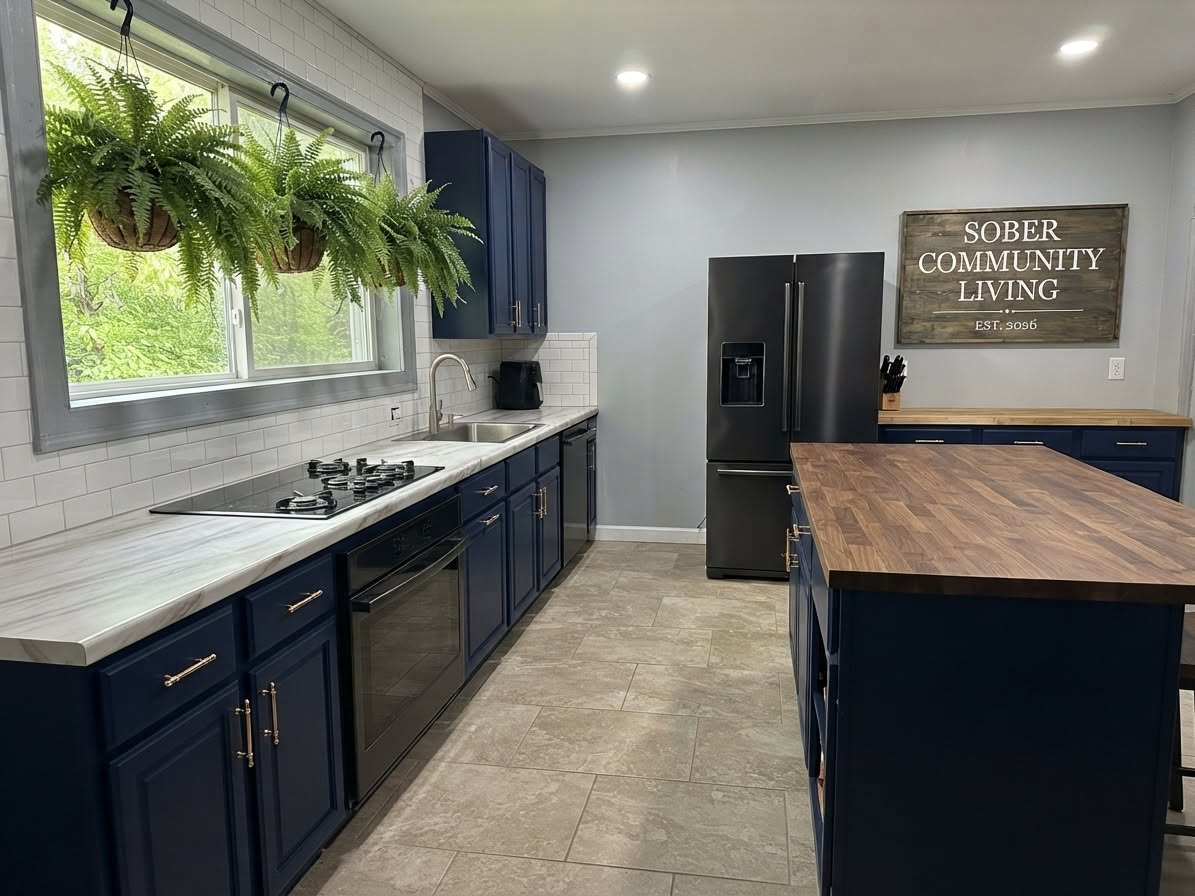
Creating nutritional meals within a sober living community kitchen serves as a foundational pillar for holistic addiction recovery. Active substance use disorder (SUD) frequently results in severe malnutrition, depleted essential vitamins, and disrupted metabolic functions. Utilizing a communal kitchen to intentionally prepare nutrient-dense meals directly drives the healing process across physical, psychological, and social dimensions. #nutrition #nutritioncoach #healthymeals #MealPrep Psychological and Therapeutic BenefitsThe actual act of cooking within a sober framework functions as an active form of therapy: [1] (https://www.serenityspringsrecovery.com/…/the…/), [2] (https://sanfordbehavioralhealth.com/…/healthy…/)Mindfulness and Grounding: The rhythmic, tactile steps of culinary prep—such as chopping, stirring, and measuring—force an individual to focus entirely on the present moment. This somatic focus serves as a healthy distraction from intrusive thoughts or substance cravings. [1] (https://soberlivingcincinnati.com/…/exploring-the…/)Mitigating “HALT” Triggers: In recovery, individuals are highly susceptible to relapse when they are Hungry, Angry, Lonely, or Tired. Establishing a routine of regular, nutrient-dense meals stabilizes blood sugar levels, directly preventing the emotional volatility and intense cravings triggered by hunger.Building Self-Efficacy: Successfully planning, prepping, and executing a complete meal builds tangible self-confidence. It provides immediate validation of an individual’s capability to care for themselves and execute complex tasks. [1] (https://westwindrecovery.com/the-role-of-nutrition-in…/), [2] (https://healthcity.bmc.org/finding-joy-food-how-cooking…/)
- Manual ownership review
- No public changes until approved
- Only verified owners can edit